Common problems Hoxton gardeners face in narrow mews access
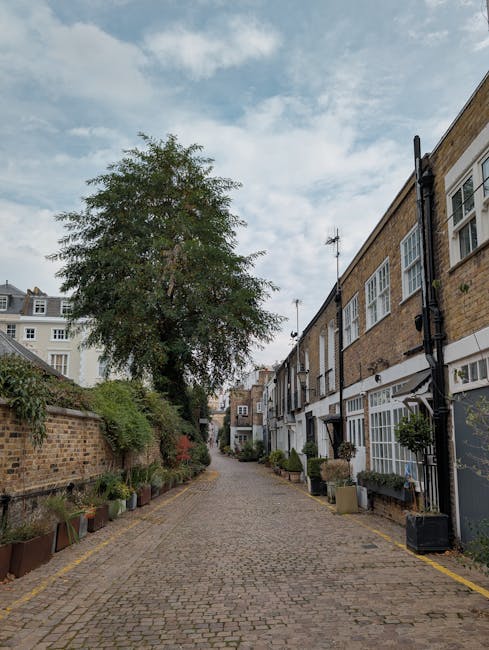
If you have ever tried to move a lawn mower, bags of soil, hedge trimmers, or even a wheelbarrow through a tight mews passage, you already know the problem. Narrow access changes everything. In Hoxton, where back entrances, shared lanes, railings, steps, and awkward turns are part of everyday garden work, the job is rarely as simple as turning up and starting. The phrase Common problems Hoxton gardeners face in narrow mews access covers a very real set of practical headaches: access, timing, noise, safety, storage, and the sheer logistics of getting the work done without disturbing neighbours or damaging property.
This guide looks at those issues in plain English. It explains why narrow access matters, how it affects garden maintenance and landscaping work, what good practice looks like, and how to avoid the mistakes that often make a straightforward job unnecessarily messy. A small gate can become a big obstacle. Truth be told, that happens more often than people expect.
Why narrow mews access matters
Narrow mews access matters because garden work is physical work, and physical work needs room. Without enough space, even basic tasks become slower and riskier. A mower that would take two minutes to unload from a van may need to be carried by hand, turned sideways, or broken into smaller movements. Compost bags can snag on brick edges. Secateurs get forgotten in the wrong place. A single awkward corner can add ten minutes to a simple tidy-up.
In Hoxton, mews properties and rear garden routes often come with a mix of old paving, limited headroom, shared access, parked vehicles, and close neighbours. That means gardeners are not just maintaining plants; they are managing logistics. If access is not planned well, the job can affect everything from finish quality to neighbour relations. And nobody wants to spend half the afternoon apologising because a rake clipped a gate. Not ideal.
There is also a comfort factor for the client. Narrow access can make an otherwise tidy garden look chaotic during the work itself. Tools stack up quickly, pathways narrow further, and waste removal becomes more visible. Good planning keeps disruption down and helps the garden look under control even while work is underway.
How narrow access affects garden work
At first glance, narrow access sounds like a simple space issue. In practice, it affects nearly every stage of the job. Before any pruning, mowing, clearing, or landscaping starts, the gardener has to think about getting in, working safely, and getting everything back out again.
Here is how the challenge usually plays out:
- Entry and exit: Tools, materials, and waste must pass through the same restricted route, sometimes multiple times.
- Equipment choice: Larger machines may be impractical, so smaller or manual tools become the better option.
- Protection: Walls, gates, steps, and paving may need extra care to avoid scuffs, chips, or crushed planting edges.
- Working space: Even if the actual garden is large, a narrow gateway limits how people move and where they can safely stage materials.
- Waste handling: Green waste can pile up quickly, and bulky cuttings are harder to bag, carry, and load.
For example, a hedge trim in a wide front garden might be straightforward. In a mews alley, the same hedge can require shorter tools, more careful ladder placement, and a better plan for cuttings. That is why experienced teams often treat access checks as part of the job itself, not as a side note. If you want a broader view of what that careful approach looks like across different garden tasks, the services overview is a useful place to start.
It also helps to remember that access is not just width. Turning radius, surface condition, overhead clearance, neighbouring doors, and even where the morning sun hits the path can all matter. One slippery patch after overnight rain, and the whole flow changes. Hoxton weather being what it is, a damp morning can turn a narrow route into a cautious shuffle.
Key benefits and practical advantages
Planning properly for narrow mews access does more than avoid problems. It usually leads to better results across the board.
- Less damage to property: Careful movement reduces scuffs on walls, cracked pots, and disturbed edging.
- Faster jobs overall: A clear route and the right equipment save time, even if the initial planning takes a little longer.
- Cleaner finish: Waste is removed efficiently, and the garden is not left with debris in awkward corners.
- Lower stress for everyone: The gardener, client, and neighbours all have an easier experience when access is managed well.
- Better plant care: Less trampling and fewer repeated trips through beds means less accidental plant damage.
One quiet benefit is professionalism. A garden that looks difficult to access instantly becomes less daunting when the work is organised. That matters if you are arranging ongoing upkeep rather than one-off clearance. For regular visits, a measured routine using garden maintenance can be much easier to manage than ad hoc fixes after everything has grown wild.
Expert summary: In narrow mews settings, the best outcome usually comes from simple things done well: accurate measuring, the right tools, careful waste staging, and a realistic schedule. Fancy solutions are less useful than a plan that actually fits the space.
Who this is for and when it makes sense
This topic matters for several kinds of people, not just professional gardeners.
- Homeowners with rear access only, shared lanes, or a narrow side return.
- Landlords and managing agents responsible for keeping small communal outdoor areas tidy.
- Gardeners and landscapers who need to adapt their workflow to difficult access.
- Residents in converted mews homes where noise, timing, and neighbour respect all matter.
- Anyone planning a garden redesign where materials need to pass through a tight route.
It makes sense to think about access before you book work, not after. If a garden needs heavy clearance, shape-changing pruning, or a new layout, narrow entry may affect the scale of what is possible. A smaller access route can still support good work, but it usually requires better prep and more realistic expectations. If the job is more than a tidy-up, browsing landscaping or landscape gardening information can help frame the next step.
To be fair, some people only notice the issue when a pile of branches is already halfway blocking the passage. That is the point where planning becomes, well, very helpful.
Step-by-step guidance
Here is a practical way to handle narrow mews access without making the job harder than it needs to be.
- Measure the access route properly. Check gate width, turning points, step heights, and any low overhead sections.
- Identify the bottlenecks. Look for the awkward corner, the narrowest gate, the loose paving, or the shared doorway that limits movement.
- Match the tools to the route. A compact mower, folding hand tools, smaller bags, or hand pruning equipment may work better than bulkier kit.
- Plan the work in stages. Break the job into sections so waste and materials do not build up in one congested area.
- Protect surfaces before work begins. Use mats, careful lifting, and sensible stacking to reduce damage to walls and paving.
- Keep the exit route clear. Avoid turning the access way into a storage area. That sounds obvious, but it is a common slip.
- Remove waste regularly. Do not leave all the cuttings for the end if the passage is already tight.
- Finish with a final sweep-through. In narrow spaces, loose twigs and soil are easy to miss, especially around corners and steps.
If the garden needs a larger reset, clearing the space first can make everything else easier. In those cases, a professional garden clearance service can remove accumulated waste and make the site workable again before ongoing maintenance begins.
A useful rule of thumb: if you cannot comfortably carry a loaded bag through the route without brushing the walls, the route needs a different workflow. That small test saves a lot of bother later.
Expert tips for better results
These are the details that often separate a smooth job from a frustrating one.
- Use smaller loads. More trips can actually be safer and faster than forcing oversized bags through a tight passage.
- Trim before you drag. Reducing the size of branches and clippings on site makes waste handling far easier.
- Work from the far end back to the entrance. That way, you are not repeatedly walking over finished areas with dirty boots.
- Keep a tool-down point. One designated staging area reduces clutter and stops tools wandering everywhere.
- Check neighbour access too. Shared mews spaces often need a little courtesy planning, especially where doors or bins are involved.
- Think in terms of movement, not just width. A narrow but straight route may be easier than a slightly wider route with an awkward bend.
Experienced gardeners often say the same thing in different words: in a tight mews, tidy technique matters more than brute force. There is no medal for carrying too much at once. Just a sore back, usually.
For jobs involving climbing, heavy cutting, or unstable material, safety should come first. A visit to the site's health and safety policy and insurance and safety information can be reassuring if you are comparing providers or planning a higher-risk job.
Common mistakes to avoid
Narrow access exaggerates small mistakes. Something that would be merely inconvenient in a wide-open garden can become a real problem in a mews passage.
- Assuming all tools will fit. A mower or wheelbarrow that works elsewhere may be useless here.
- Not checking the route in advance. Guessing is a bad habit in tight spaces. Measure first.
- Overfilling bags. Heavy, bulging bags are harder to carry and more likely to snag.
- Leaving cuttings on the path. A narrow route should stay as open as possible throughout the job.
- Ignoring surface protection. Brick, stone, painted railings, and old timber can all mark easily.
- Trying to do everything in one pass. Rushing increases mess and accidents.
One of the biggest mistakes is emotional, not technical: people underestimate how quickly a garden can fill up once pruning starts. A hedge looks modest until the clippings are on the ground, and then suddenly there is nowhere to stand. Funny how that works.
If the job has become a matter of hauling old growth, broken pots, or mixed garden waste out through a difficult route, it may be better to deal with the buildup before routine work resumes. That is where a structured garden clearance approach can help reset the space.
Tools, resources and recommendations
You do not need exotic equipment to work well in narrow mews access. In fact, simpler is often better.
| Task | Better choice for narrow access | Why it helps |
|---|---|---|
| Lawn care | Compact mower or manual edging tools | Easier to carry, turn, and store in tight passageways |
| Hedge trimming | Shorter hedge trimmers and staged cut-back | Reduces congestion from long branches and heavy clippings |
| Tree work | Carefully planned sectional removal | Prevents large branches blocking the access route |
| Garden waste | Smaller bags, repeated clear-outs, targeted loading | Stops the route from becoming blocked mid-job |
| Surface protection | Simple protective mats and careful handling | Helps avoid scratches, chips, and muddy trails |
For regular upkeep, a steady lawn mowing routine can prevent overgrowth from turning the access route into a wrestling match with grass clippings. The same is true for trimming, where a reliable hedge trimming schedule can keep branches from crowding the passage.
If you are planning a larger project, look at the broader design as well as the tools. In some cases, decking services or a smarter layout can make future maintenance easier, though the access route still needs to be considered before any materials are chosen. And if the job is likely to produce a lot of waste, recycling-minded planning is worth it. The page on recycling and sustainability is a sensible read for that side of the process.
Law, compliance, standards and best practice
Narrow access work in gardens is not usually about red tape, but there are still sensible standards to follow. Gardeners and clients alike should expect careful handling of property, responsible waste management, and safe working methods. In the UK, best practice generally means avoiding unnecessary risk, respecting neighbour access, and making sure tools and materials are used in a way that does not create hazards.
For example, if the access route is shared, it is courteous and often essential to keep it clear enough for other users. If the job involves ladders, power tools, larger removals, or stacked waste, then a careful risk check is just common sense. The exact method will vary by job, but the principle stays the same: do the work safely, do not block access unnecessarily, and leave the space clean.
Insurance is another sensible consideration. When equipment has to pass close to walls, gates, glass, or cars, the margin for error is smaller. That is one reason people ask about cover and working practices before agreeing to a job. It is not being fussy. It is being sensible, which in a mews setting is no bad thing.
If you want more detail on service expectations, the company's terms and conditions and privacy policy are useful reference points, while about us gives a better feel for the team behind the work. For practical booking or pricing questions, pricing and quotes is the most relevant page to review.
Options, methods, and comparison table
Different access problems call for different approaches. A bit of comparison helps make the decision clearer.
| Approach | Best for | Pros | Trade-offs |
|---|---|---|---|
| Manual-only work | Very tight access, small gardens, light maintenance | Flexible, quiet, low risk of surface damage | Slower for larger jobs |
| Compact equipment | Regular maintenance with limited width | Efficient without being too bulky | May still struggle with very tight turns |
| Staged clearance | Overgrown gardens or heavy waste | Keeps routes open and manageable | Requires more planning and site discipline |
| Design-led redesign | Long-term improvements and repeated access issues | Can make future maintenance easier | Higher upfront effort and decision-making |
For many Hoxton properties, a blend works best. For instance, a compact mower for lawn care, manual tools for detailed edges, and staged waste removal for cuttings. In more involved cases, a landscaping plan that anticipates access limitations can be more effective than trying to solve the same problem every season.
Case study or real-world example
Imagine a small mews garden behind a terrace in Hoxton. The entrance is narrow, the gate catches slightly in damp weather, and the turning point into the garden is just awkward enough to make a wheelbarrow feel like a bad idea. The lawn is manageable, but the hedge has pushed out over the path, and there is a pile of old pots near the back wall.
On paper, it looks like a half-day tidy. In reality, the access route changes the whole job. The gardener begins by clearing the gate line and trimming the hedge back in stages so the route opens up. Smaller bags are used instead of one oversized one. Waste is moved out in several runs rather than all at once. The result is calmer, cleaner, and safer. Nothing dramatic. Just sensible sequencing.
What changed most was not the tools, but the order of work. That is the thing people miss. Once the route was respected, the garden became manageable again. The client gets a clean finish, the neighbours are not annoyed, and the workday does not turn into a shuffle of missed corners and trapped rubbish. A simple example, but a useful one.
Practical checklist
Use this quick checklist before any garden job involving narrow mews access:
- Measure the narrowest point, including gates and corners.
- Check whether ladders, mowers, or barrows can pass safely.
- Look for steps, slick paving, loose stones, or low overhead obstructions.
- Decide where tools and waste will be staged.
- Choose smaller loads if the route is tight.
- Plan hedge cuttings, lawn clippings, or tree waste removal in phases.
- Protect surfaces that could scratch, chip, or stain.
- Keep shared access routes clear for neighbours where possible.
- Confirm whether the job needs regular maintenance or one-off clearance.
- Review safety, insurance, and any service terms before work starts.
If the garden has become hard to manage because access is limiting every visit, it may be worth discussing a longer-term plan rather than another temporary fix. Regular upkeep can be much easier than repeated rescue work.
Get a free quote today and see how much you can save.
Conclusion
Common problems Hoxton gardeners face in narrow mews access are rarely dramatic on their own, but together they can shape the whole outcome of a job. Tight gates, awkward corners, limited staging space, neighbour sensitivities, and surface protection all matter more when there is less room to work. The good news is that these issues are manageable with the right plan, the right tools, and a steady, realistic approach.
Whether the task is a light tidy, a routine mow, hedge work, or a larger clear-out, the key is to treat access as part of the service rather than an afterthought. Do that, and the job tends to feel calmer, look better, and cause fewer headaches. Simple really, though not always easy.
And if you are standing in a narrow mews right now, looking at a garden that feels just a bit too awkward, take heart: with careful planning, even the tightest route can still lead to a tidy, usable space.
Frequently Asked Questions
What is the biggest issue with narrow mews access for garden work?
The biggest issue is usually movement. Garden work needs tools, waste, and people to move in and out safely. When the access route is too tight, every task takes longer and there is a greater risk of damage or disruption.
Can a garden still be maintained properly if the access is very narrow?
Yes, often it can. The work may need smaller tools, more careful staging, and a different pace, but regular maintenance is still possible. In some cases, the route is more limiting than the garden itself.
Do narrow access gardens need special equipment?
Not always special equipment, but often more suitable equipment. Compact mowers, shorter pruning tools, and smaller bags of waste can make a big difference. The point is to match the kit to the route, not force the route to suit the kit.
Is garden clearance harder in a mews property?
Usually, yes. Clearance creates bulk, and bulk is awkward in tight spaces. The best approach is to remove waste in stages so the access route does not become blocked halfway through the job.
How can I tell if my access is too tight for a wheelbarrow?
If you cannot turn it comfortably, or if the route has a narrow bend, steps, or a gate that leaves very little clearance, a wheelbarrow may be more trouble than it is worth. A quick physical check before work begins is the safest answer.
What should I ask a gardener before booking work in a narrow mews?
Ask how they plan to handle access, what tools they expect to use, how they will manage waste, and whether they have experience with tight properties. Those questions reveal far more than a generic quote ever will.
Are hedge trimming and mowing possible with limited access?
Yes, in many cases. The key is using the right workflow. For example, hedge trimming may need staged cut-back and smaller collection loads, while mowing may be easier with a compact or manual approach.
Does narrow access affect pricing?
It can. Jobs that take longer, need more careful handling, or involve multiple waste runs may cost more than a similar-sized garden with easy access. The exact price depends on the site and the work involved, so a proper quote is the sensible route.
What risks come with working in tight garden access?
The main risks are trips, scratches, damaged paving, strained lifting, and blocked shared pathways. None of these are glamorous, obviously, but they are very real and worth planning around.
How often should a narrow-access garden be maintained?
That depends on how quickly the planting grows and how difficult it is to move waste out. In general, more regular maintenance reduces the chance of overgrowth turning the access route into a problem area.
Can landscaping make narrow access easier in the future?
Yes, thoughtful landscaping can help. Simple layout changes, better planting choices, or features that reduce frequent heavy work can make ongoing maintenance easier. The access route still matters, though, and should be considered from the start.
What is the best first step if my garden has become difficult to reach and maintain?
The best first step is to assess the route honestly: measure it, note the bottlenecks, and decide whether you need maintenance, clearance, or a bigger design change. Once that is clear, the rest becomes much easier to plan.