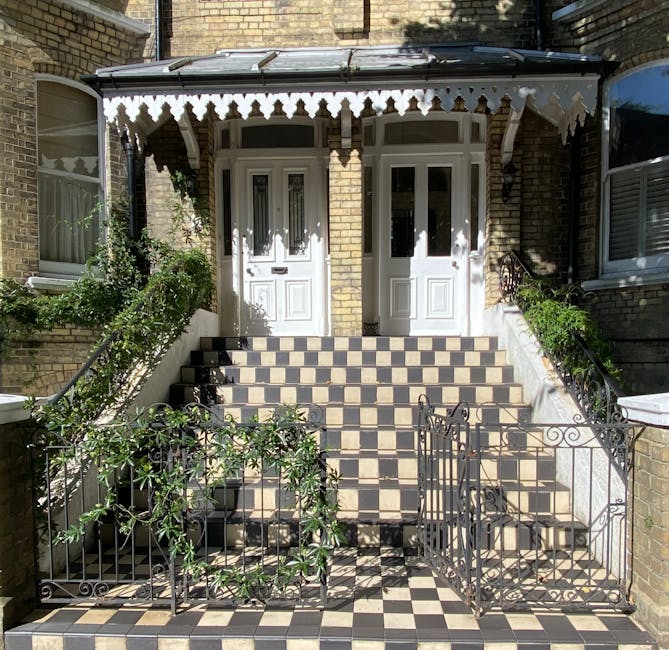
Affordable Hoxton gardeners for Hoxton Square terraces
Terrace gardens around Hoxton Square can look effortless from the pavement, but anyone who actually lives with one knows the reality: limited space, awkward access, tired planters, and plants that seem to either sulk or run wild. Finding affordable Hoxton gardeners for Hoxton Square terraces is really about more than getting the lowest price. It is about finding a service that keeps a small outdoor space neat, healthy, and usable without turning every visit into a mini-project. That balance matters, especially where space is tight and every square metre has to earn its keep.
This guide breaks down what terrace garden care involves, how to keep costs sensible, where value is usually won or lost, and what to ask before you book. If you are comparing one-off tidy-ups with regular maintenance, or trying to decide whether to bring in help at all, this should give you a proper footing. Let's face it, an overgrown terrace can make the whole home feel cluttered.
Expert summary: For Hoxton Square terraces, the best value usually comes from regular, light-touch maintenance rather than occasional rescue jobs. Small, consistent visits often cost less over time, and they keep plants, paving, and boundaries in better shape.
Table of Contents
- Why affordable terrace gardening matters in Hoxton Square
- How terrace garden maintenance usually works
- Key benefits and practical advantages
- Who this is for and when it makes sense
- Step-by-step guidance for getting it right
- Expert tips for better results
- Common mistakes to avoid
- Tools, resources and recommendations
- Law, compliance, standards and best practice
- Options, methods and comparison table
- Case study or real-world example
- Practical checklist
- Conclusion
- Frequently asked questions
Why Affordable Hoxton gardeners for Hoxton Square terraces Matters
Terraces in this part of East London tend to share the same pressures: compact layouts, shaded corners, wind exposure between buildings, and a mix of hard surfaces and containers rather than full beds. That means the usual "quick garden tidy" approach does not always work well. A terrace can look fine for a few weeks, then suddenly appear messy simply because no one has checked the small things: deadheading, edging, drainage, climbing plants, stray seedlings, and the state of pots after a damp spell.
Affordable care matters because terrace gardens often need more frequent attention than larger suburban plots. Not necessarily heavy work, just consistent care. A little pruning, a bit of weed removal, and sensible plant shaping can stop the space becoming expensive later. Truth be told, neglect on a terrace is sneaky. You do not notice it all at once; you notice it when the rosemary is woody, the lavender is straggly, and the deck is turning green under a film of algae.
There is also the practical side. Many Hoxton terraces are used as dining spaces, coffee spots, or somewhere to get a bit of air after work. If the garden is cramped or messy, it is less likely to be used at all. A good gardener helps keep it liveable, not just pretty.
If you want a broader view of available help, it can be useful to compare the wider services overview before narrowing down what your terrace actually needs.
How Affordable Hoxton gardeners for Hoxton Square terraces Works
Most terrace gardening jobs start with a basic assessment: what is planted, what is overgrown, what is unhealthy, and what simply needs tidying. On a small terrace, that first look is often more important than the labour itself. A good gardener is trying to separate the urgent from the optional. That is how the work stays affordable.
In practical terms, the work may include lawn alternatives like container planting, pruning shrubs, tying in climbers, cutting back seasonal growth, clearing leaves, refreshing mulch, or cleaning up paving and deck edges. Some terraces need regular lawn-style care, but many need more of a maintenance rhythm than a mowing routine. If there is a small patch of grass, the team may also use a focused lawn mowing service as part of a broader tidy-up.
More involved terraces may need boundary work too. Hedges, fences, trellises, and climbers can quickly dominate a compact garden. A visit might therefore combine trimming, clearance, and shaping. In some cases, a section of the terrace is simply cluttered with dead plants, broken pots, or old soil. That is where garden clearance becomes useful, especially before a seasonal reset.
If the area has decking, the job can shift from plant care to surface care very quickly. Slippery boards, damp staining, and moss build-up are common in shaded spots, so many homeowners pair garden visits with decking services when the space needs both structure and upkeep.
For larger or more complex terraces, especially where planting design needs rethinking, more tailored landscape gardening or broader landscaping input may make sense. Not every terrace needs that level of work, of course, but it is useful to know the difference.
Key Benefits and Practical Advantages
The most obvious benefit is visual. A tidy terrace makes the whole property feel calmer. But the real gains go deeper than that.
- Lower long-term repair costs: regular pruning and cleaning can prevent plant damage, blocked drains, or surface staining.
- Better use of space: an uncluttered terrace feels larger and more practical, even when it is tiny.
- Healthier planting: plants do better when they are trimmed, fed, and checked properly.
- More predictable spend: small maintenance visits are usually easier to budget for than emergency tidies.
- Better safety: mossy paving, loose debris, and awkward overgrowth can create simple but annoying hazards.
- Less stress: you do not have to spend your weekend wrestling with thorny climbers or wet compost bags. Honestly, that alone is worth something.
There is also a design advantage. In terrace gardens, the difference between "full" and "cluttered" is quite thin. A professional eye can keep a space feeling layered without making it busy. That is especially useful in Hoxton, where terraces often need to work hard as both a private retreat and a social area.
For ongoing upkeep, a dedicated garden maintenance plan often gives the best day-to-day value because it handles the repetitive tasks before they pile up.
Who This Is For and When It Makes Sense
This kind of service is a good fit for several types of household. If you live in a terrace near Hoxton Square and you enjoy the garden but not the upkeep, you are probably the classic customer. You might have a couple of containers, some climbers, a compact seating area, and not enough time to keep on top of everything. A regular gardener makes that space much easier to enjoy.
It also makes sense for landlords, short-let property managers, and homeowners preparing to sell. A terrace can strongly affect first impressions, even if it is small. A clean boundary, healthy planting, and a tidy surface can lift the whole property presentation. That tends to matter more than people expect.
If the garden has become slightly neglected, perhaps after a busy season or a house move, then a one-off reset may be the right starting point. If it is structurally fine but looking tired, maintenance can usually bring it back without major spend. If it is overgrown, tangled, or full of waste, a clearance visit first is often the sensible route. Not glamorous, but practical.
Some people only need help at certain times of year. Spring reawakening, late summer cutbacks, and autumn leaf control are common pinch points. A terrace can go from lovely to messy in a week if the weather turns wet and windy. You know how it is in London.
Step-by-Step Guidance
If you are trying to get the best value from affordable Hoxton gardeners for Hoxton Square terraces, a simple process helps.
- Walk your terrace before asking for help. Note what needs cutting, clearing, watering, repairing, or replacing.
- Separate maintenance from improvement. Tidy-up work is different from redesign or planting projects.
- List the awkward bits. Narrow access, heavy pots, roof exposure, and shaded corners all affect labour time.
- Decide what can wait. Some jobs are urgent; some are just nice to have. Be honest here.
- Ask for a clear scope. The more specific the brief, the less likely you are to pay for unnecessary extras.
- Compare like for like. One quote for a simple tidy-up should not be compared with another that includes clearance and hedge work.
- Choose a visit rhythm. For many terraces, small regular appointments beat occasional big jobs.
If there is hedge growth along the boundary, it is worth including hedge trimming in the plan rather than treating it as an afterthought. Hedges on terraces can quickly become either boxy and blunt or leggy and wild. A measured trim usually solves both problems.
And if a tree or large woody shrub has outgrown the space, be cautious. Small terraces do not usually have room for experimentation with major pruning. In some cases, tree lopping and removal may be the only practical answer, but that should always be judged carefully, because once a mature plant is gone, it is gone.
Expert Tips for Better Results
Here is the part people often miss: cheap gardening becomes expensive when it is reactive. The best way to keep terrace care affordable is to reduce surprise work.
- Keep pots grouped by watering need. It saves time and avoids plants being overwatered or forgotten.
- Use slow-growing or compact varieties. They are easier to maintain in small spaces.
- Prioritise structure over novelty. A few reliable plants are better than lots of fussy ones.
- Check drainage after heavy rain. Standing water in a terrace is a warning sign, not just a nuisance.
- Ask for seasonal cutbacks before things get woody. Once stems harden, the work is slower and less elegant.
- Keep a simple maintenance calendar. Monthly notes beat memory. Memory is overrated, frankly.
A small but useful tip: if your terrace has a mix of decking, paving, and containers, ask the gardener to sequence the job sensibly. Clear access first, prune second, clean surfaces third, and finish with planting or watering. That order saves time and avoids messy backtracking.
For clients who care about the environmental side of things, choosing a service that handles waste responsibly is worth asking about. The site's recycling and sustainability guidance is a helpful point of reference, especially when old soil, green waste, and broken planters are involved.
Common Mistakes to Avoid
Terrace gardens invite a few familiar mistakes. They are easy to make and annoying to undo.
- Only booking help once the space is already overgrown. That is the quickest way to turn a small job into a bigger bill.
- Expecting one visit to solve everything. Sometimes it does, but not often on a terrace that has been ignored for months.
- Choosing based on the lowest price alone. Cheap can be fine. Too cheap can mean a rushed or partial job.
- Not explaining access constraints. Narrow hallways, shared entrances, and awkward storage spaces can affect the work.
- Ignoring plant suitability. A lot of terrace trouble comes from choosing plants that want more soil, sun, or root room than the space can offer.
- Mixing improvement work with maintenance work. It sounds efficient, but the quote can become muddled fast.
Another common mistake is assuming all garden work is equal. A terrace with three large planters, a climber, and a small seating area is not the same as a courtyard with wall beds and no soil. Costs shift depending on access, waste, and how much manual handling is needed. Small job, yes. Small effort? Not always.
Tools, Resources and Recommendations
You do not need a van full of equipment to maintain a Hoxton terrace properly, but the right kit does matter. A good gardener will usually arrive with hand tools suited to compact work rather than oversized machinery that is awkward in tight spaces.
Useful tools for terrace work often include secateurs, loppers, a small rake, a hand fork, a sprayer or watering can, hedge shears, a stiff brush for hard surfaces, and waste bags or tubs for cuttings. For some jobs, a compact pressure-cleaning approach may be useful, though it should be used carefully on older paving or delicate surfaces.
From a homeowner's point of view, the best "resource" is usually a simple plan. Keep a note of what each area needs, which plants struggle in shade, and where the terrace gets the strongest wind. That sounds basic, but it saves time every single visit.
If you are trying to understand the wider service mix before deciding, the garden maintenance and services overview pages are useful starting points. They help separate routine care from more specialised work.
Law, Compliance, Standards, or Best Practice
For terrace garden work, the main concern is not usually red tape; it is safe, sensible practice. That said, there are a few things worth keeping in mind. Any work involving ladders, sharp tools, heavy lifting, or waste removal should be handled carefully and with proper insurance in place. If climbing plants or trees near shared boundaries are involved, it is wise to check who owns what before cutting back anything significant. Boundary misunderstandings can become awkward very quickly.
In the UK, professional gardeners are generally expected to work with good health and safety habits, protect the property, and dispose of waste responsibly. If access is tight, equipment should be carried and stored safely. If surfaces are slippery, that should be treated as a real hazard, not shrugged off. A reputable team should be able to discuss these things plainly.
It is also sensible to ask how waste is handled, whether tools are maintained, and whether public liability insurance is in place. That is not being difficult. It is normal due diligence. The same goes for payment handling: clear pricing, transparent quotes, and secure processing are basic signs of a well-run business. You can review the site's payment and security information alongside the company's insurance and safety approach if you want extra reassurance.
For service terms and expectations, a quick look at terms and conditions can save awkward conversations later. And if you are comparing providers, understanding how they explain pricing is just as important as the headline number. The page on pricing and quotes is a sensible place to start.
Options, Methods, or Comparison Table
Most terrace owners choose between three broad approaches. Each can work, depending on how much time, budget, and control you want.
| Option | Best for | Pros | Trade-offs |
|---|---|---|---|
| One-off tidy-up | Overgrown or neglected terraces | Fast reset, immediate visual improvement | Can look good for a while, then drift again if not followed up |
| Regular maintenance | Busy households and small ongoing spaces | Usually best value over time, predictable upkeep | Needs repeat visits and a little planning |
| Redesign or renovation | Tired layouts or planting that no longer works | Can transform how the terrace functions | Higher cost and more disruption up front |
If your terrace is mostly sound but simply untidy, regular maintenance tends to be the sweet spot. If you are starting from scratch or dealing with awkward slopes, old decking, or poor planting, a more design-led approach may be needed. And if the space is jammed with debris or dead growth, clearance comes first. No point polishing the silver when the sink is full, as my nan used to say.
Case Study or Real-World Example
Picture a narrow terrace near Hoxton Square with a small paved seating area, two large pots, a climber on the fence, and a corner that never quite dries out. In early spring it looks fine at a glance, but by the time a few weeks of rain and mild weather pass, the pots are crowded, the climber has crept sideways, and the paving has picked up a green sheen. Nothing dramatic. Just enough to make the garden feel a bit neglected.
A sensible maintenance visit in that situation might start with clearing dead leaves and loose debris, then cutting back the climber, checking the pots for overcrowding, and cleaning the paving edges. If a couple of containers have become too heavy or too shaded, they may be repositioned. If a shrub is simply not suited to the space, it may be reduced or replaced later. The result is not a "new garden" in the flashy sense. It is better than that: the same space, but easier to live with.
That is usually how affordable work succeeds on a terrace. Not by doing everything. By doing the right things first.
Practical Checklist
Use this checklist before requesting work for your terrace:
- Identify what is maintenance, what is repair, and what is redesign.
- Note access issues, stairs, shared entries, or storage limitations.
- List the plants, surfaces, and features that matter most.
- Check whether there is waste to remove or clear.
- Decide whether the job is one-off or likely to become recurring.
- Ask about insurance, safety practices, and waste handling.
- Request a clear written quote with scope explained plainly.
- Prioritise the biggest visual and practical wins first.
- Consider seasonal timing, especially after rain or before summer use.
- Keep a simple record of what was done, so next time is easier.
If you are still deciding, a quick read through the about us page can help you judge whether the team's approach feels right for the way you want your terrace looked after.
Conclusion
Affordable Hoxton gardeners for Hoxton Square terraces are not just about price. They are about finding a practical rhythm that keeps a small space tidy, usable, and healthy without overcomplicating things. In a terrace garden, small decisions have a big effect: the wrong plant, the wrong trim, the wrong timing, and suddenly the whole place feels harder to manage. Get the basics right, though, and the space becomes a proper extension of the home.
The smartest approach is usually simple and steady. Tidy before it becomes a rescue. Maintain before it becomes a rebuild. And choose services that are transparent about scope, safety, and value. That way, your terrace keeps its charm without demanding every spare hour of your weekend. Which, let's be honest, is the real win.
Get a free quote today and see how much you can save.
And if you are ready to take the next step, use the site's contact us page to start the conversation. A well-kept terrace has a quietly calming effect, especially on a bright morning with a cup of tea in hand.
Frequently Asked Questions
How often should a Hoxton Square terrace be maintained?
For most small terraces, monthly or seasonal maintenance works well, but busy planting or fast-growing climbers may need attention more often. Regular light visits usually cost less over time than occasional heavy clear-ups.
What makes terrace gardening different from garden maintenance in a larger property?
Terraces are more compact, but they often have harder surfaces, tighter access, and more container planting. That means the work can be more detailed and less about large-scale mowing or big borders.
Is a one-off tidy-up enough for an overgrown terrace?
Sometimes, yes, especially if the problem is mostly seasonal growth or leaf build-up. If plants are crowded, surfaces are stained, or waste has piled up, a tidy-up may need to be followed by ongoing maintenance.
How do I keep costs down without cutting corners?
Be clear about priorities, choose regular upkeep where possible, and avoid turning every visit into a redesign project. The more focused the brief, the easier it is to keep the job affordable.
Can gardeners work on small terraces with limited access?
Yes, but access matters. Narrow stairways, shared entrances, and tight storage spaces can affect time and labour. It helps to explain this before the visit so the quote is realistic.
What should I ask before booking a gardener?
Ask what is included, how waste is handled, whether they have insurance, and how they price small jobs. It is also worth asking whether the quote covers trimming, clearance, and surface tidy-up separately.
Do terraces need hedge trimming or tree work?
Sometimes they do. Boundary hedges and small ornamental trees can quickly dominate a terrace if left alone. If growth is significant, specialist trimming or, in some cases, removal may be needed.
What is the difference between garden clearance and regular maintenance?
Garden clearance deals with heavier mess: debris, dead plants, bulky waste, and neglected areas. Maintenance is the ongoing care that prevents the space from getting to that stage in the first place.
Are decking areas part of terrace garden care?
They can be. Decking on terraces often needs cleaning, edge care, and attention to slippery build-up, especially in shaded or damp spots. If the timber or structure needs more work, dedicated decking support may be more appropriate.
How do I know if I need landscaping rather than simple maintenance?
If the layout no longer works, drainage is poor, or the planting scheme needs a proper rethink, landscaping may be the better option. If the garden is basically fine but needs routine care, maintenance is the smarter and cheaper route.
Is it worth getting a quote for a very small terrace?
Yes. Small terraces can still take time if access is awkward or if the planting is dense. A proper quote helps avoid guesswork, and it often makes the difference between a rushed job and a tidy, well-finished one.
What should I do before the gardener arrives?
Move personal items, check access, make a note of priorities, and point out anything fragile or special. A little prep saves time and reduces the chance of misunderstandings.
Small terrace, big difference. Sometimes that is all it takes.